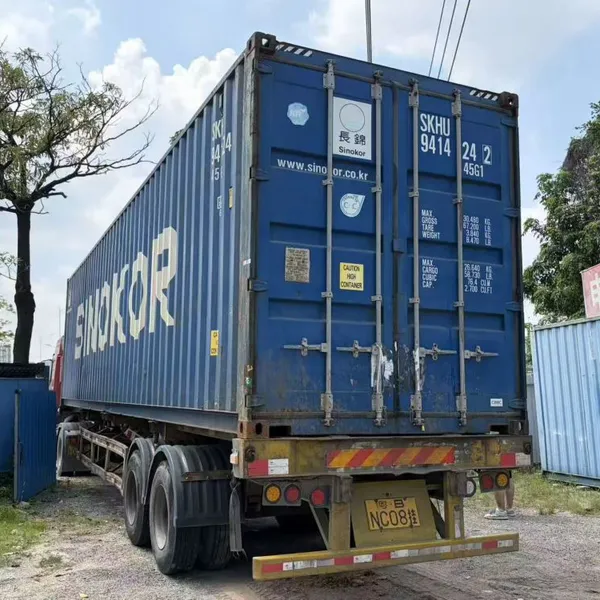
 Business License

The Current Status of International Transportation in The Middle-East Markert
As local purchasers (importers) in the Middle East, core concerns lie in controllable shipping costs, stable lead‑times, cargo safety, compliant customs clearance and predictable extra charges. At present, geopolitical disturbances stand out as the biggest variable for international transportation to the Middle‑East market. While sea freight remains the primary mode, it faces drastic volatility. Air freight suffers from tight capacity, intermodal transport is developing rapidly, yet bottlenecks persist in customs clearance and inland delivery. Purchasers are confronted with triple pressures of cost, transit‑time uncertainty and operational risks.
1. Sea Freight: Dominant Carrier with Marked Uncertainties
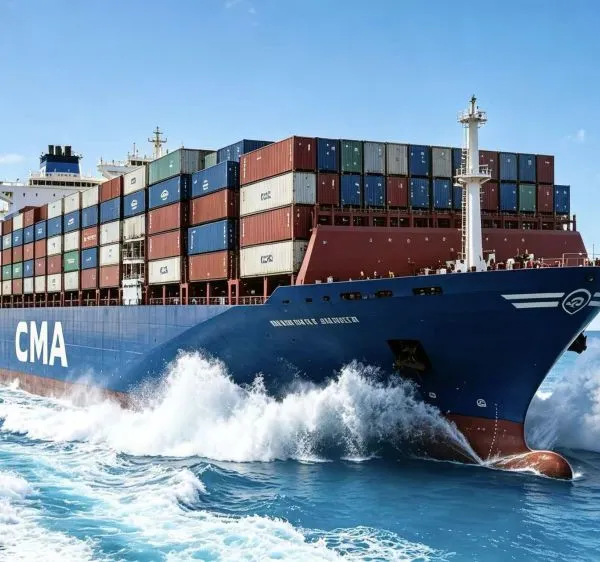
Sea freight is the major transport mode for bulk commodities, construction materials, daily‑use goods and machinery & equipment shipped to the Middle East.
1. Sharp freight‑rate fluctuations and uncontrollable surcharges
Under normal conditions, the freight for a 40‑foot container from Asia to the Gulf ranges from USD 3,000‑4,000. Due to risks in the Red Sea and Strait of Hormuz, vessels divert around the Cape of Good Hope, with carriers imposing war‑risk surcharges and emergency fees. Freight rates for some routes have exceeded USD 10,000 per 40‑ft container, representing a rise of over 50%. For many low‑value goods, freight costs may even exceed the value of the cargo itself, which prompts small‑ and medium‑sized purchasers to scale down their orders. A wide range of surcharges apply, including war‑risk surcharges, port diversion fees, container demurrage and port storage charges. Many fees are levied ad‑hoc by shipping lines, making it impossible for purchasers to budget accurately in advance and easily resulting in cost overruns.
2. Extended transit time and declining on‑time performance
Diversion around the Cape of Good Hope adds 10‑14 days to the voyage. Major ports such as Jeddah, Dammam and Jebel Ali face periodic congestion, with vessel waiting‑time and container pick‑up delays stretching up to 6‑8 weeks. Some cargo is discharged at Jeddah and then transported via the Saudi land‑bridge to other Gulf states, further lengthening logistics chains and raising overall costs.
3. Limited container space and risk of cargo rolling
During periods of heightened risk, available vessel space becomes scarce. Direct sailings are hard to secure, forcing much cargo onto transshipment routes. Container split‑up and cargo mis‑routing occasionally occur at transshipment ports. Once cargo is rolled, purchasers’ replenishment and production schedules are disrupted, incurring losses from production halts or stock‑outs.
4. Key pain‑points for purchasers: Long‑term cost budgeting becomes difficult. Short‑notice and urgent orders are reluctant to go by sea. Shipping lines include extensive exemption clauses. In cases of diversion, delays or cargo damage, purchasers face great difficulties in claiming compensation, and most additional costs are ultimately borne by importers.
2. Air Freight: Time‑Critical Premium Channel with Unstable Capacity and High Rates
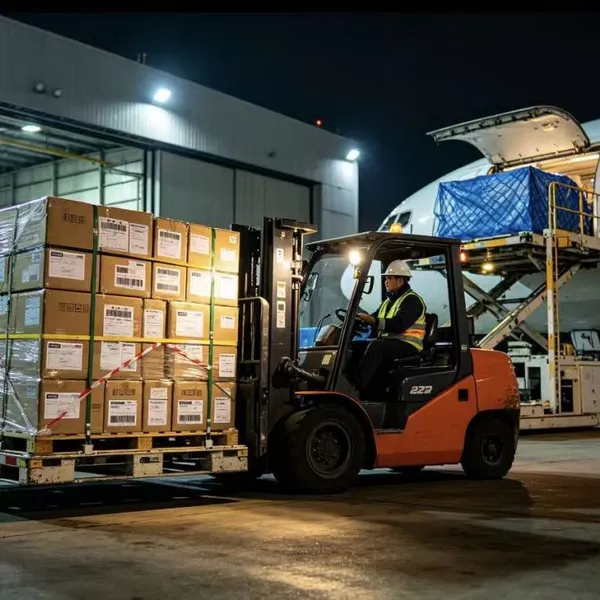
Air freight is mainly adopted for electronic components, medical supplies, urgent replenishment and high‑value consumer goods.
1. Air‑route capacity constrained by security concerns
Dubai, Doha and Abu Dhabi act as key Eurasian‑African air‑cargo hubs. During geopolitical tensions, partial airspace restrictions reduce available freight capacity. Flight diversions extend flight hours and lower punctuality, raising risks of spoilage for cold‑chain and precision goods.
2. Volatile air‑freight rates
Rates remain reasonable under normal circumstances but may surge, even doubling, during periods of tension. Prices rise further in peak seasons, Ramadan and Hajj periods, adding substantial logistics pressure for purchasers with small‑batch, frequent replenishment orders.
3. Strict security inspection and compliance requirements
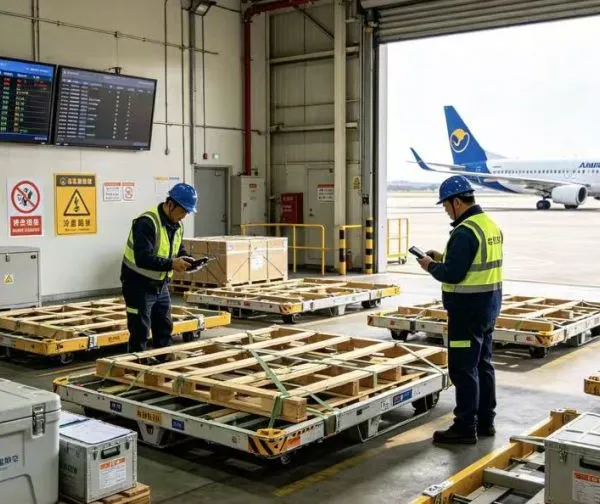
Tier‑3 security checks are enforced, with special controls on dangerous goods such as lithium‑ion batteries. Non‑compliant labelling or documentation may lead to cargo detention. Many implicit compliance requirements may result in detention, storage fees and fines for minor oversights.
3. Intermodal Transport (Sea‑Air, Sea‑Land‑Bridge): An Increasingly Popular Alternative for Purchasers
Risks in the Red Sea and Persian Gulf have driven the development of alternative routes:
1. Discharge at Jeddah port + overland haulage across Saudi Arabia to Gulf countries: This route avoids risks in the Strait of Hormuz, yet combined overland‑transport and transit fees bring total costs close to those of direct sea freight, with slightly more stable transit time as its main advantage. Drawbacks include limited trucking capacity within Saudi Arabia (truck shortages in peak seasons), higher road‑accident risks and greater cargo‑damage probability compared to sea freight.
2. Sea‑air intermodal transport: Main carriage by sea plus short‑haul air delivery at the final leg strikes a balance between cost and lead‑time, suitable for semi‑urgent orders, and is increasingly adopted by industrial purchasers.
Purchaser perspective: Intermodal transport involves longer chains and more service providers, leading to ambiguous liability boundaries and harder cargo‑tracking. It places high demands on freight forwarders’ end‑to‑end supply‑chain management capabilities.
4. Customs Clearance, Inland Delivery and Compliance Pain‑Points (Frequent Headaches for Purchasers)
1. Divergent national customs regulations and high compliance costs
Saudi Arabia enforces strict requirements for SABER certification, certificates of origin, commercial invoices and product labelling. Minor documentary discrepancies can trigger cargo detention. Inspection rates are high in Qatar, Kuwait, Iraq and other nations. Cold containers are subject to extra temperature‑control regulations in hot summer months. Approximately 40% of port‑stored detained cargo results from documentary issues, with rectification time, fines and storage fees charged to purchasers.
2. Deficiencies in inland‑delivery networks
Last‑mile logistics are relatively mature in large cities such as Dubai and Riyadh, yet delivery networks are under‑developed in tier‑2/3 cities, remote emirates, Iraq and Yemen, featuring slow delivery and high damage rates, making on‑time door‑to‑door delivery hard to guarantee.
3. Fragmented freight‑forwarder market
Standards vary widely among local freight forwarders across the Middle East. Quotation transparency is low, with huge price gaps for the same route. Unscrupulous forwarders may promise direct sailings but arrange transshipment secretly or levy hidden charges, which are hard for small‑ and medium‑sized purchasers to identify.
5. Geopolitical and Seasonal Factors with Long‑Term Impacts on Transport Planning
1. Geopolitical risks as the biggest source of uncertainty: The Mandeb Strait and Strait of Hormuz are critical global shipping lanes. Once tensions escalate, routes, insurance premiums and freight rates change immediately. Purchasers can hardly formulate logistics plans longer than six months, and instead tend to place smaller, more frequent orders to mitigate the risk of large‑scale cargo losses.
2. Disruptions from religious holidays: Port, customs and land‑transport capacity drops during Ramadan and Hajj, generally slowing transit times. Purchasers need to plan stock replenishment 2‑4 months in advance.
6. Summary of Current Mitigation Strategies Adopted by Purchasers
1. Diversify port selection instead of over‑relying on Jebel Ali or Dammam, with alternative ports including Khalifa Port and Salalah Port as backups.
2. Split bulk long‑term orders into smaller consignments to reduce losses should a single route be disrupted.
3. Prioritize reliable freight forwarders with local customs‑clearance and warehousing capabilities, and pre‑review all documents to avoid detention.
4. Tier cargo by urgency: low‑value durable goods by sea freight, high‑value urgent shipments by air freight, and semi‑urgent goods via sea‑air intermodal solutions.
5. Clarify freight‑rate adjustments, surcharges and liability for delays in purchase contracts to avoid pass‑through of unplanned extra costs.
7. Conclusion
While logistics infrastructure across the Middle East keeps improving (e.g. port and airport expansion under Saudi Vision 2030 and UAE national projects), the core short‑term challenge remains unpredictability brought by geopolitics. For purchasers, logistics decisions are no longer driven purely by freight‑rate comparison; delivery reliability and risk‑control have become higher‑priority considerations.
Recently Posted
-
Ocean Freight Forecast: Shenzhen (Yantian / Shekou) to the Middle East of September
September 17, 2026Current spot rate range of mid‑September for ShenzhenTransit time: Direct se rvice 15‑19 days; Cape of Good Hope reroute 26‑32 day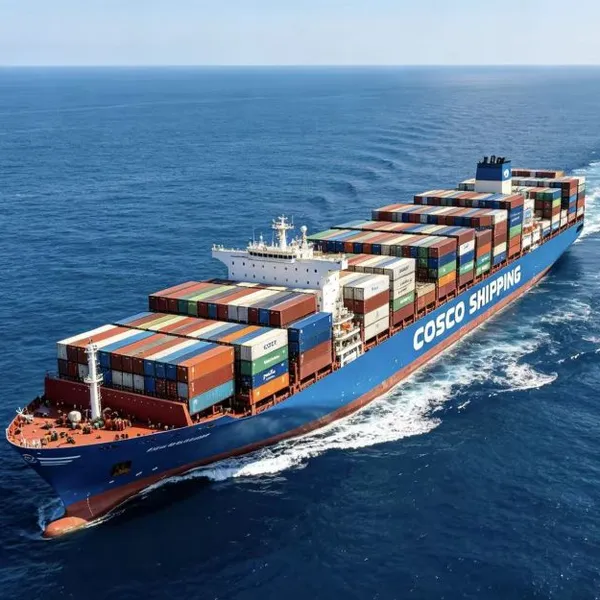 Read More
 -
How important The Multiple of Logistics way to adapt your every order
September 10, 2026When it comes to cross‑border trade, persistent pain points include poor shipment adaptability, inflexible transport arrangements,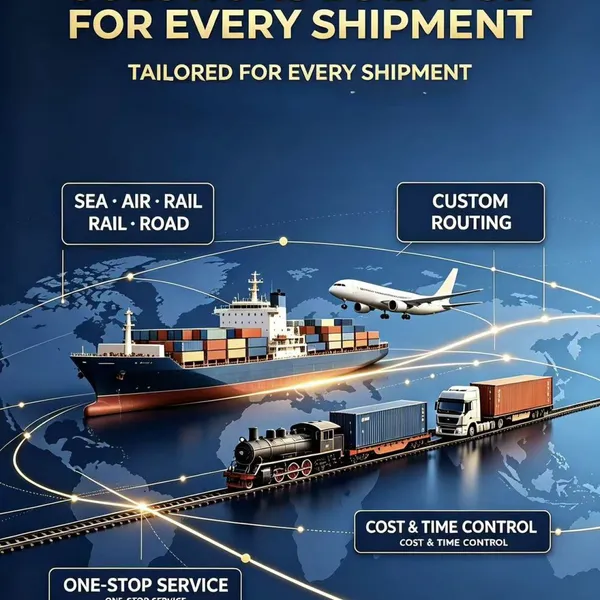 Read More
 -
Purchaser of Middle-East Risk Prevention list
September 8, 2026Part 1: Middle East Purchaser Logistics Full Risk Prevention ChecklistThis checklist is tailored for Middle East importers, coveri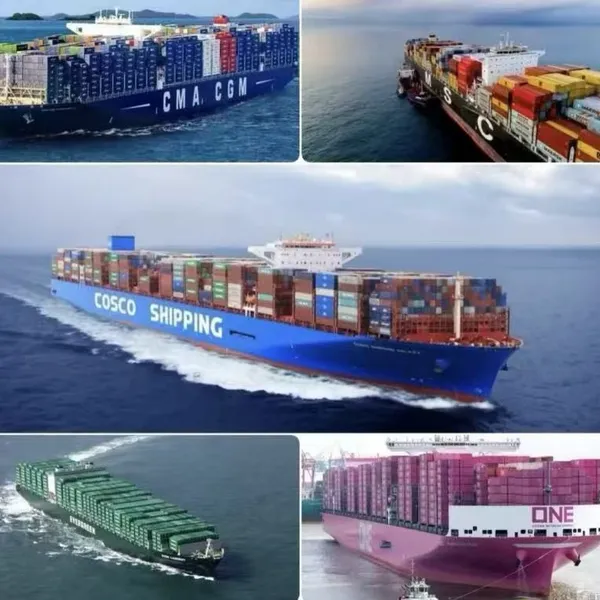 Read More

Contact Us
Recommended Products
-
 DOOR TO DOOR FROM GUANGZHOU /SHENZHEN TO DUBAI BY AIRNegotiableMOQ: 1 Unit
 -
Suitable & Fast Way By Car to IranNegotiableMOQ: 1 Unit
-
Get Easy for Ocean Freight to Middle-EastNegotiableMOQ: 1 Unit
-
CIF & FOB QUOTATIONNegotiableMOQ: 1 Case
-
AIR Cargos From China & Hongkong,ChinaNegotiableMOQ: 50 Kilograms